How to Choose the Best Metal Recycling Facility
Introduction: The Importance of the Right Recycling Partner
For industrial operations, demolition contractors, and manufacturing plants, scrap metal represents a valuable corporate asset. However, the true financial return and operational ease you get from that asset depend entirely on the scrap metal dealer you choose as your partner.
Not all recycling yards are equipped to handle large-scale, enterprise-level commercial needs. A consumer-level scrap yard is perfectly fine for a local contractor or a homeowner cleaning out a garage, but an industrial facility requires a specialized partner. You need an industry dealer capable of providing heavy-duty logistics, transparent weighing systems, and verifiable environmental compliance.
If you are a procurement professional, project manager, or facility coordinator tasked with maximizing scrap returns, here is a practical guide on how to choose the best metal recycling facility for your commercial operations.
1. Evaluate Their Processing Capabilities and Heavy Machinery
The first and most critical step is determining whether the recycling facility possesses the infrastructure to handle the volume and specific grades of scrap your business generates. Commercial recycling is a heavy-industrial process that demands specialized machinery to move, sort, and process materials efficiently.
Infrastructure and Technology to Look For:
● Comprehensive Metal Sorting: Ensure the facility processes both ferrous and non-ferrous metals so you don’t have to manage multiple recycling vendors.
● Advanced Equipment: Look for yards operating heavy-duty hydraulic shears, industrial shredders, high-density balers, and handheld XRF (X-ray fluorescence) optical analyzers. Advanced technology ensures your alloys are graded accurately, maximizing the payout value of specialized manufacturing scrap.
2. Demand Transparent Weighing and Market-Aligned Pricing
Trust and transparency form the foundation of any successful B2B recycling partnership. Because scrap metal prices shift daily based on international market indicators, you need an industry dealer who offers clear, verifiable pricing tracking.
The Value of State-Certified Scales
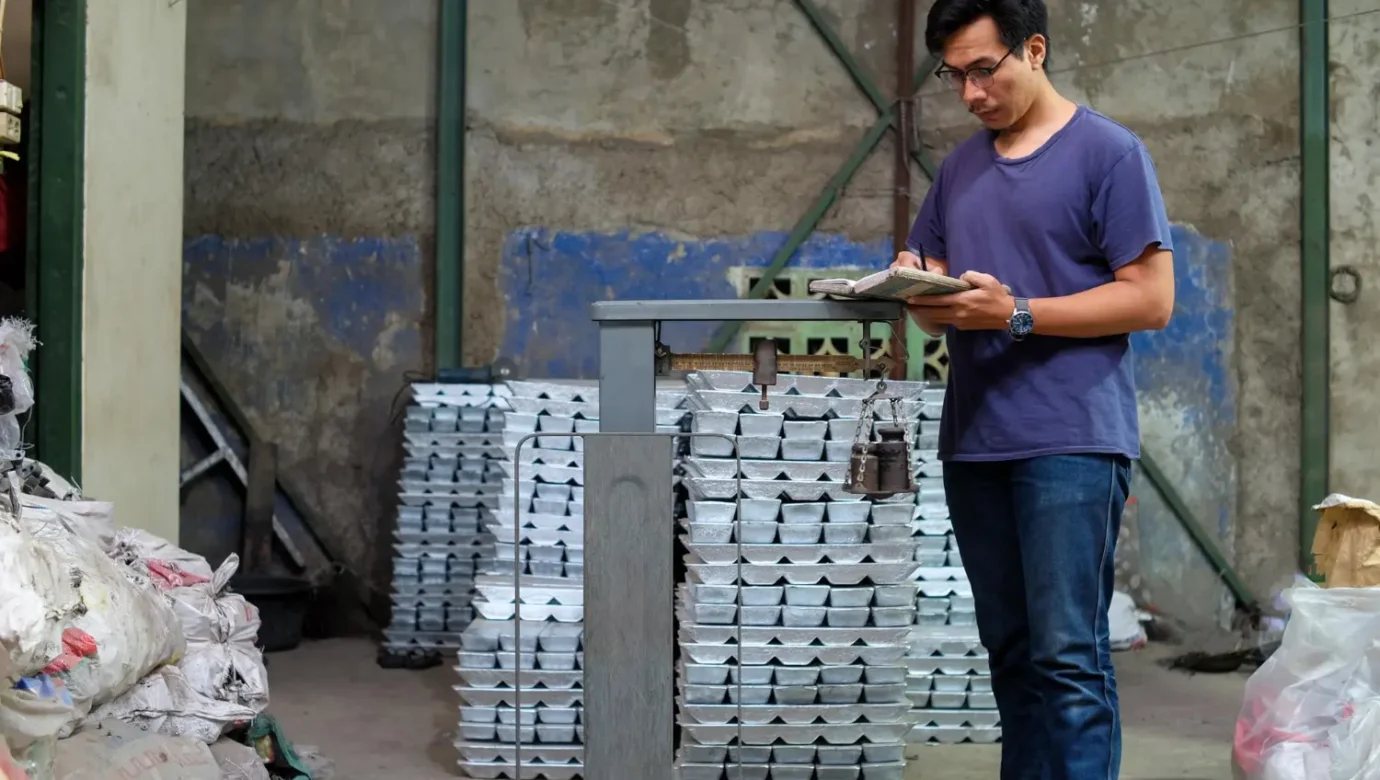
Never contract with a recycling facility that uses vague estimations or uncalibrated scales. The ideal facility operates platform and truck scales that are fully certified, stamped, and regularly calibrated by local weights and measures authorities. Best-in-class operators provide digital readouts and immediate, itemized weight tickets detailing the exact breakdown of your materials, protecting your business from unfair downgrading.
3. Assess Logistics, Fleet Capability, and Container Services
A professional recycling partner should seamlessly integrate into your existing operations, removing logistical friction rather than creating it. Your internal team should not have to spend time, labor, and fuel assets sorting or transporting heavy scrap materials. A premier industrial recycler should offer robust on-site asset management, including:
● Varied Container Options: The ability to deploy 20, 30, or 40-yard roll-off dumpsters, lugger boxes, or self-dumping hoppers directly onto your facility floor or construction site.
● Reliable Swap Schedules: A dependable fleet that executes timely container swaps, ensuring your production lines or demolition workflows are never delayed by overflowing scrap piles.
● Specialized Heavy Hauling: Low-boy or flatbed transport options capable of safely rigging and moving oversized decommissioned plant machinery or structural elements.
4. Verify Strict Environmental Compliance and Risk Mitigation
Industrial metal management is heavily regulated by local and national environmental protection frameworks. If a scrap dealer processes your materials improperly or neglects hazardous waste management, your business can face severe reputational damage and potential legal liabilities under joint and several liability principles.
When auditing a potential facility, verify their compliance protocols:
● Ask to see their environmental permits and operating licenses.
● Confirm they have strict, documented systems for capturing and processing residual industrial fluids, such as hydraulic oil, coolants, or lubricants found in heavy machinery.
● Ensure they provide transparent chain-of-custody documentation, giving your compliance team total peace of mind.
5. Analyze Payment Terms and Corporate Reliability
Healthy corporate cash flow relies on predictable, reliable accounting practices. When interviewing potential scrap metal buyers, examine their standard business terms and financial operations.
Enterprise-level operations require structured commercial handling rather than informal payment methods. Look for a dealer that provides clear corporate account management, detailed electronic manifest matching, and prompt payments via direct bank transfers or structured net terms. A reliable partner adheres to professional accounting standards, making your end-of-month reconciliations simple and completely auditable.
Why Moonlight is the Trusted Choice for Enterprise Scrap Management
At Moonlight, we have built our entire operational model to meet the exacting, high-volume demands of industrial scrap metal management. As a dedicated B2B industry dealer, we provide the specialized equipment, transparent scale protocols, and flexible container logistics that modern industrial facilities require.
We understand that compliance and profitability are equally important to your enterprise. That is why our certified weighing systems give you clear, real-time insights into your material assets, while our strict environmental protocols ensure full regulatory alignment. From custom roll-off container placement to rapid fleet dispatch and reliable financial settlement, Moonlight serves as an invisible, highly efficient extension of your production line—helping you optimize facility space, fulfill ESG targets, and maximize your scrap asset recovery.
Conclusion
Selecting the right metal recycling facility is a strategic decision that directly influences your operational safety, corporate compliance, and bottom-line profitability. By evaluating a potential partner’s processing capabilities, scale transparency, logistical agility, and regulatory standing, you can transform a basic waste stream into a highly optimized, lucrative asset loop. Take the time to audit your current scrap handling, ask the right operational questions, and align your business with an industry leader equipped for your scale.
